
Haitian condiment
What is pikliz?
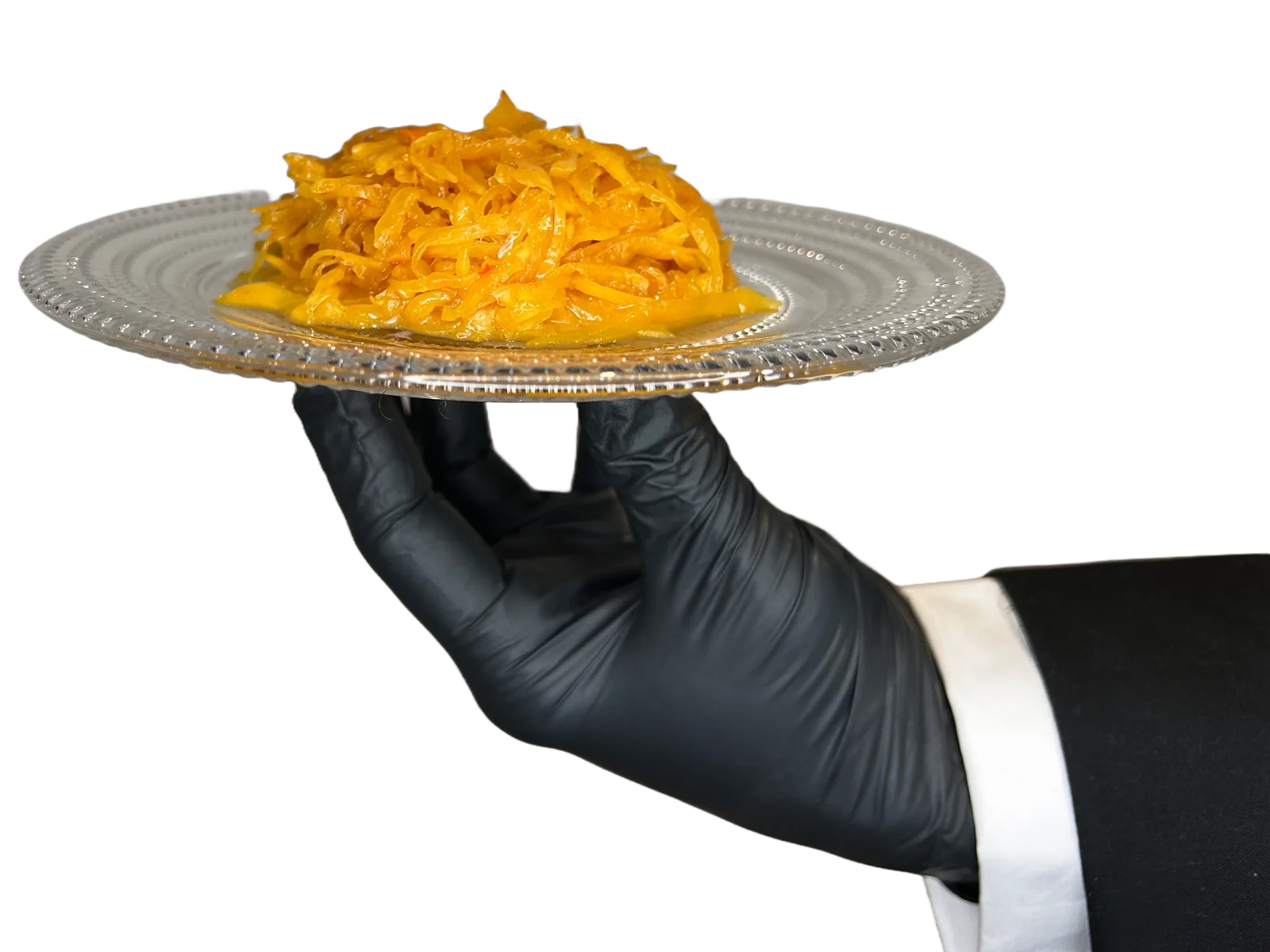
Pikliz is the essential condiment of Haitian cuisine: a mix of cabbage, carrots and hot peppers, finely cut and pickled in vinegar. Crunchy, tangy and spicy, it accompanies almost every meal in Haiti and wherever the Haitian diaspora lives, from Port-au-Prince to Montréal.
Its name is spelled several ways: pikliz in Haitian Creole, but also piklis, picklese or piklize. It is reminiscent of the English word “pickles”: vegetables preserved in vinegar, with a good dose of hot pepper.
- Origin: Haiti, where it goes with almost every meal.
- Texture: crunchy and fresh.
- Taste: very spicy, vinegary and tangy.
- Role: it livens up dishes, a little like kimchi in Korean cooking.
Ingredients
Pikliz ingredients
The base of pikliz is simple:
The cabbage can be white or green, and Scotch bonnet or habanero peppers can replace piment bouc. Some families add a little lime or sour orange juice (zoranj si) to the vinegar, or some allspice.
Depending on the family, onion or shallot, bell pepper, garlic, cloves or peppercorns are also added. Every household has its own recipe!
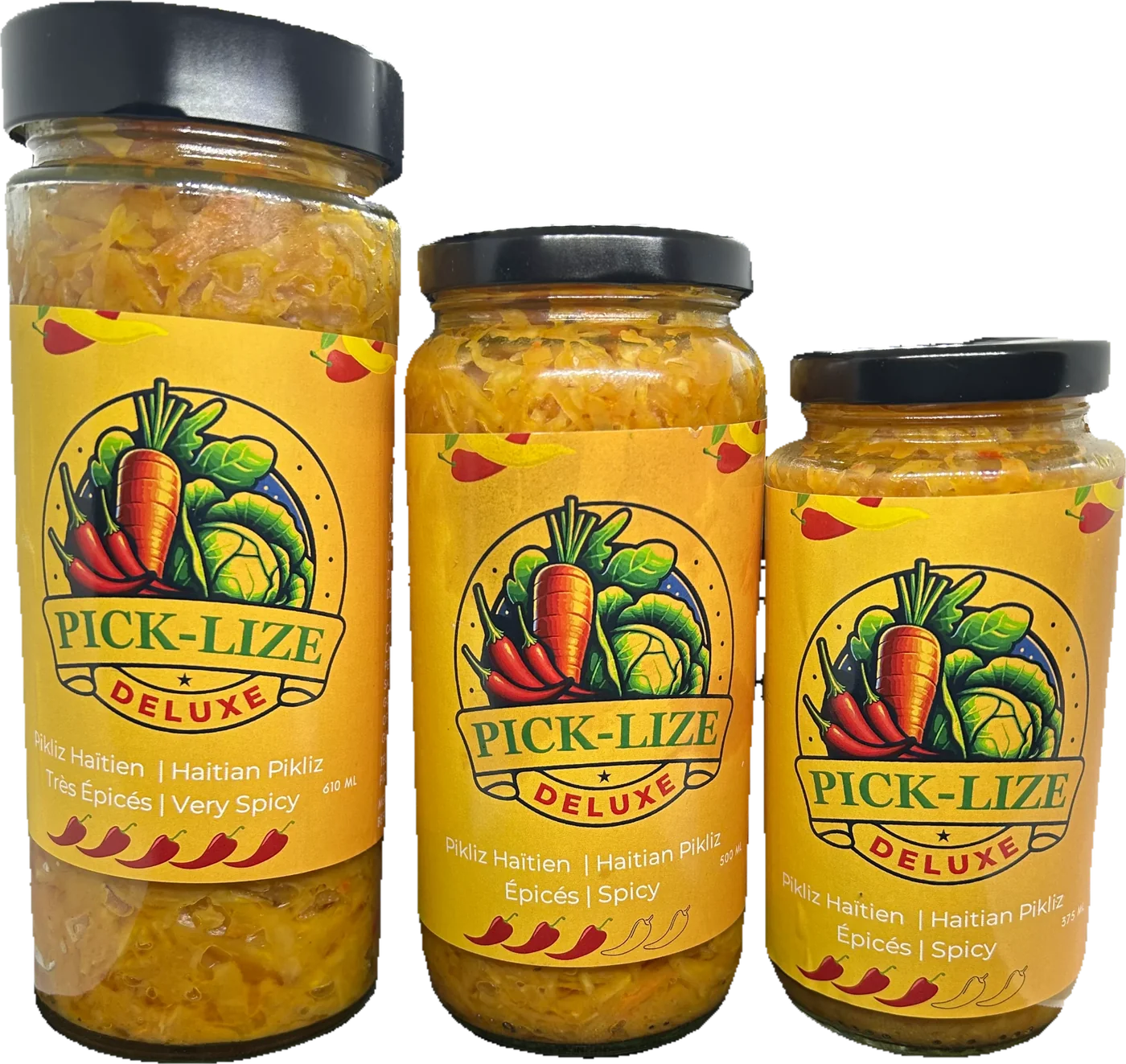
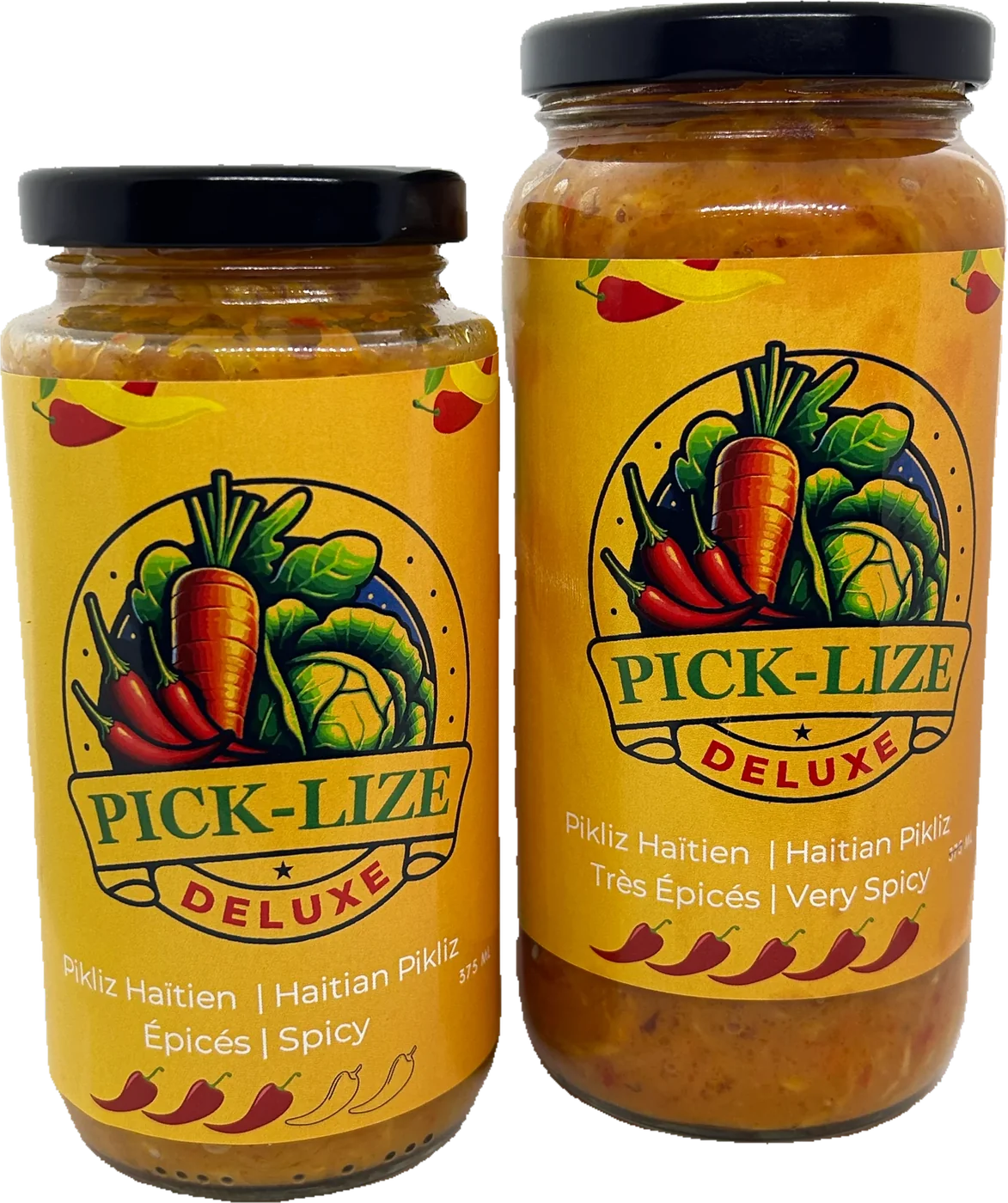
At Goûts de Luxe, the Pick-Lize Deluxe recipe was created by cook Sanicia Mérius: cabbage, carrot, hot peppers, white vinegar, oil and an exclusive seasoning blend. See the full list of ingredients and allergens.
Heat
Is pikliz very spicy?
Yes, pikliz is known for its heat: the hot pepper flavours the vinegar and the vegetables. The heat level depends on the amount of peppers. If you are new to it, start with a small spoonful on the side of your plate.
Pick-Lize Deluxe comes in two heat levels: spicy (3 peppers on the jar) and extra spicy (5 peppers on the jar), in 375 ml, 500 ml and 630 ml jars.
Serving ideas
What do you eat pikliz with?
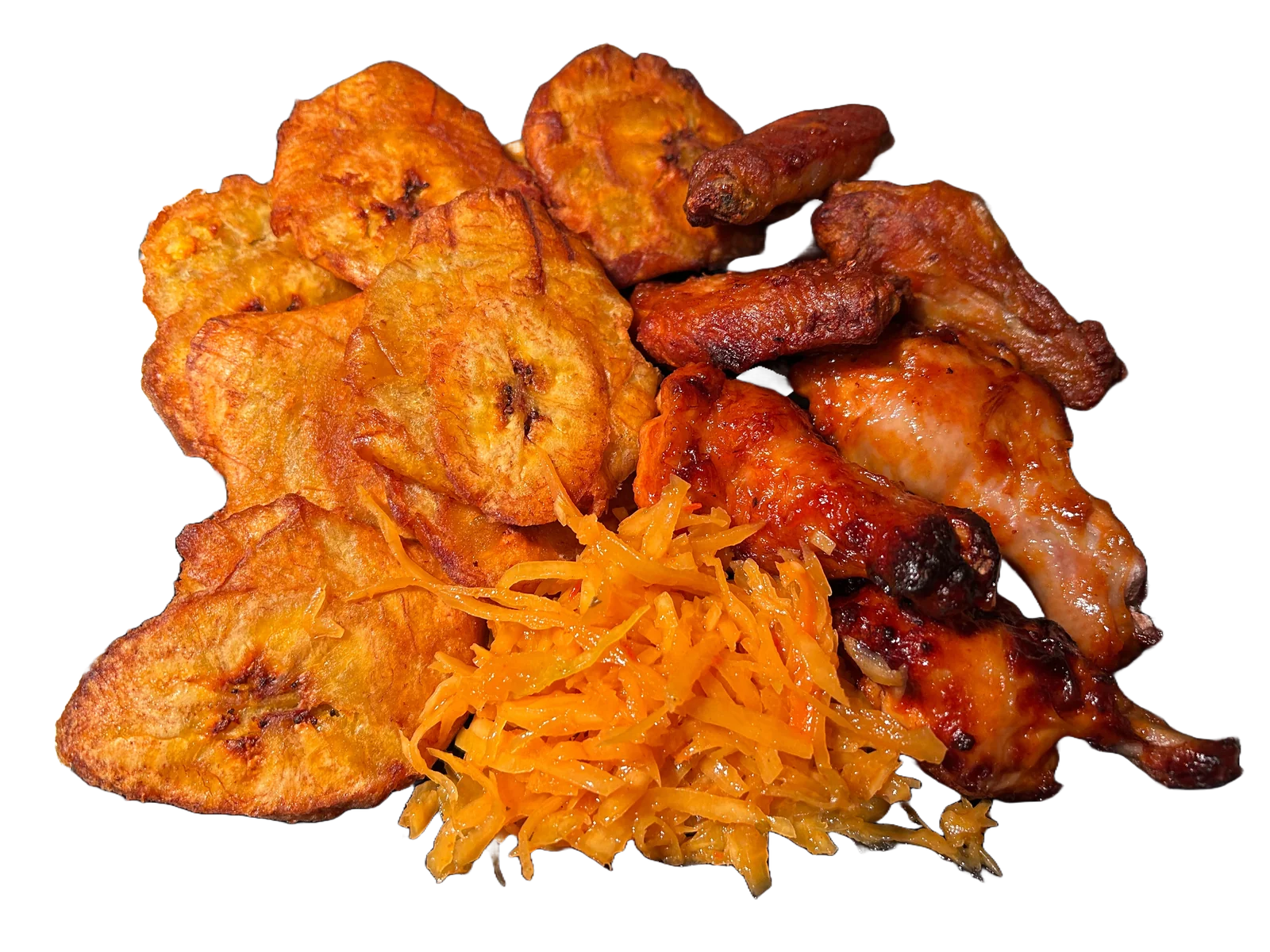
In Haiti, pikliz is served above all with fried food: griot (fried pork), tassot, fried plantains and accras. Its acidity balances the richness and wakes up every bite.
It also goes very well with chicken, grilled meats, fish, rice, pasta, eggs, burgers, hot dogs, subs, tacos and salads.
It also brightens rice and bean dishes, such as Haitian rice and beans (diri kole ak pwa). And its spicy vinegar can replace the vinegar in a dressing or a marinade.
Storage
How should pikliz be stored?
Always keep your pikliz in the refrigerator with the jar tightly closed, and serve it with a clean utensil to preserve its crunch and flavour.
Is pikliz fermented?
Generally, no: pikliz is pickled in vinegar, whereas sauerkraut and kimchi are fermented. The vegetables gradually absorb the vinegar and the hot pepper, which gives pikliz its distinctive taste.
Comparison
Pikliz or coleslaw?
Pikliz is sometimes compared to a spicy coleslaw or to Central American curtido. The difference: pikliz contains no mayonnaise, it is pickled in vinegar and it is much spicier.
What about vegetarian pikliz?
Traditional pikliz contains only vegetables, vinegar and spices. Pick-Lize Deluxe, however, contains a chicken soup base, so it is not vegetarian.
Frequently asked questions